
The Pak International Business Forum (PIBF) has welcomed the Federal Budget 2026-27 as a positive step towards economic stabilization and export-led growth, stating that the government’s focus on increasing exports, encouraging investment, and supporting industrial activity reflects the right direction for the economy. The Forum, however, emphasized that achieving the budget’s export targets will remain an uphill task unless the government takes urgent measures to reduce the cost of doing business by bringing the policy rate into single digits and substantially lowering petroleum and electricity prices for industries.
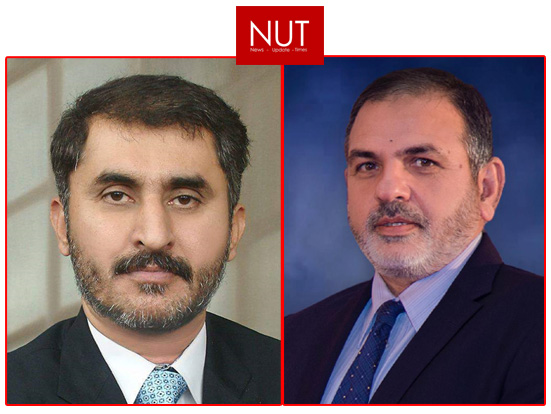
PIBF noted that sustainable export growth cannot be achieved through fiscal measures alone and must be supported by competitive financing and energy costs. President PIBF, Dr. Mushtaq Mangat, said: “The government deserves appreciation for recognizing exports as the engine of economic growth. However, exporters are competing in a highly challenging global environment where financing costs and energy prices play a decisive role. Unless the policy rate is reduced to a single-digit level and industrial energy costs are brought down, achieving the desired export growth will be extremely difficult.”
General Secretary PIBF, Ejaz Tanveer, said that industrial expansion and investment are directly linked to the availability of affordable credit. “High borrowing costs discourage fresh investment, limit industrial expansion and place additional pressure on existing businesses. A significant reduction in the policy rate will stimulate economic activity, support manufacturing and encourage entrepreneurs to undertake new investments,” he said. Chief Organizer PIBF, Muaz Qazi, urged the government to pass on the benefit of lower international oil prices to domestic consumers and businesses. “Petroleum prices affect every segment of the economy through transportation and logistics costs. Similarly, electricity tariffs remain one of the biggest challenges facing Pakistani industries. Reducing these costs will immediately improve competitiveness, support exports and help create employment opportunities,” he said. The Forum appreciated the government’s efforts to broaden the tax base, improve economic documentation and create an environment conducive to business growth. PIBF noted that Pakistan possesses significant untapped export potential in sectors such as textiles, information technology, engineering goods, pharmaceuticals, agriculture and value-added manufacturing.
The Forum further observed that many competing economies provide cheaper financing and more affordable energy to their export sectors, enabling them to capture a larger share of global markets. Pakistan must adopt a similar strategy if it wants to accelerate exports, attract investment and strengthen foreign exchange earnings. PIBF expressed hope that the government would continue engaging with the business community and introduce further measures during the fiscal year to reduce the cost of doing business. The Forum reiterated that a combination of policy consistency, single-digit interest rates, lower fuel prices and competitive electricity tariffs would enable Pakistan to unlock its export potential and achieve sustainable economic growth.