
Pakistan is among the countries most affected by diabetes, with an estimated 34.5 million adults living with the condition. Alarmingly, 9.3 million of them, or 26.9 per cent, remain undiagnosed. Without effective action to address this growing burden, the number of adults with diabetes in Pakistan is projected to reach 70.2 million by 2050.
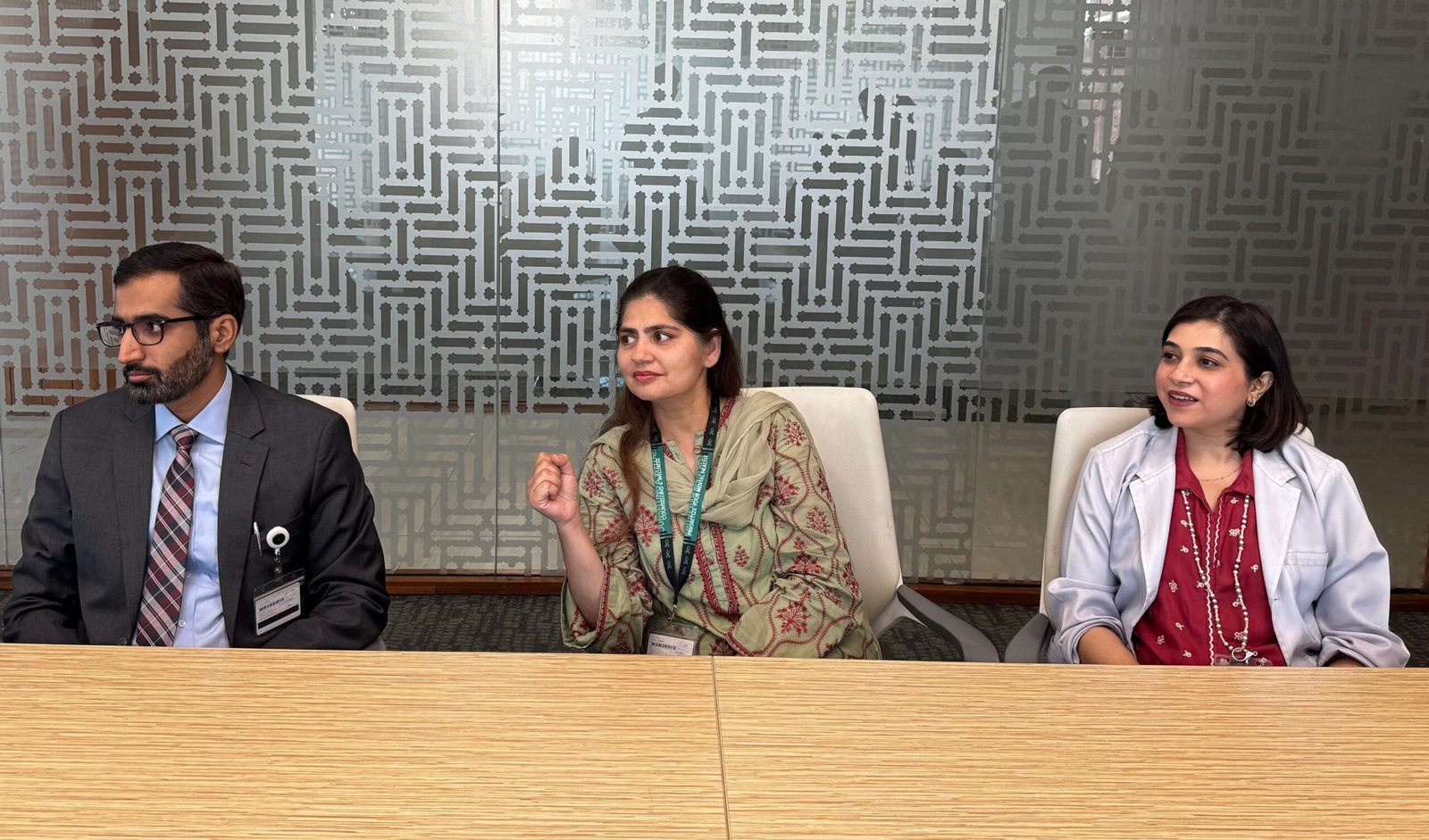
The Aga Khan University Hospital (AKUH) brought together specialists in endocrinology,
vascular surgery and clinical nutrition for a media roundtable to discuss the growing diabetes
burden in Pakistan and the importance of recognising risk factors early. The discussion
highlighted that diabetes affects more than blood sugar levels. Over time, it can damage
blood vessels and nerves, increasing the risk of complications involving the heart, kidneys,
eyes and limbs.
Younger adults may also be at risk, particularly those with a family history of diabetes,
excess abdominal weight or sedentary lifestyles. Importantly, people who appear to have
healthy body weight should not assume they are free from risk.
Dr Asma Ahmed, Consultant Endocrinologist at AKUH, said, “Type 2 diabetes is not limited
to older adults. Younger people, particularly those with a family history or other risk factors,
should not wait for symptoms to appear before seeking screening. For those diagnosed with
diabetes, taking medication as prescribed, attending regular follow-ups and making
sustainable lifestyle changes are all important for managing the condition and reducing the
risk of complications.”
The value of early intervention was also demonstrated by AKUH’s community-based
Pakistan Diabetes Prevention Trial. After one year, 61 per cent of participants with
prediabetes in the lifestyle intervention group had returned to normal blood sugar levels
through simple, culturally tailored lifestyle changes.
Highlighting the impact of diabetes on circulation and nerve health, Dr Fareed Ahmed
Shaikh, Assistant Professor and Section Head of Vascular Surgery at AKUH, said, “Diabetes
can affect both blood circulation and nerve function, particularly in the legs and feet. When
sensation and blood circulation are reduced, even a small cut can go unnoticed and develop
into a serious wound that, if left untreated, may ultimately lead to limb loss. Regular foot
checks and timely medical assessment can help identify problems early and reduce the risk
of severe complications.”
Alongside medical management, nutrition plays an important role in preventing and
managing diabetes. Farah Syed, Senior Dietitian at AKUH, said, “Managing diabetes does
not mean giving up the foods you enjoy or following a restrictive diet. Making balanced
choices, watching portion sizes, including more vegetables, pulses and whole grains, and reducing sugary drinks can support better blood sugar management. The key is to adopt
practical changes that can be sustained over time.”
The specialists emphasised that effective diabetes management requires more than
monitoring blood sugar. Coordinated care that brings together medical management,
vascular and foot assessments, and personalised nutritional guidance, can help patients
manage their condition, reduce the risk of complications and maintain a better quality of life.
Subscribe to Updates
Get the latest creative news from FooBar about art, design and business.
AKUH experts highlight rising diabetes risks among younger adults, call forearly detection and integrated care