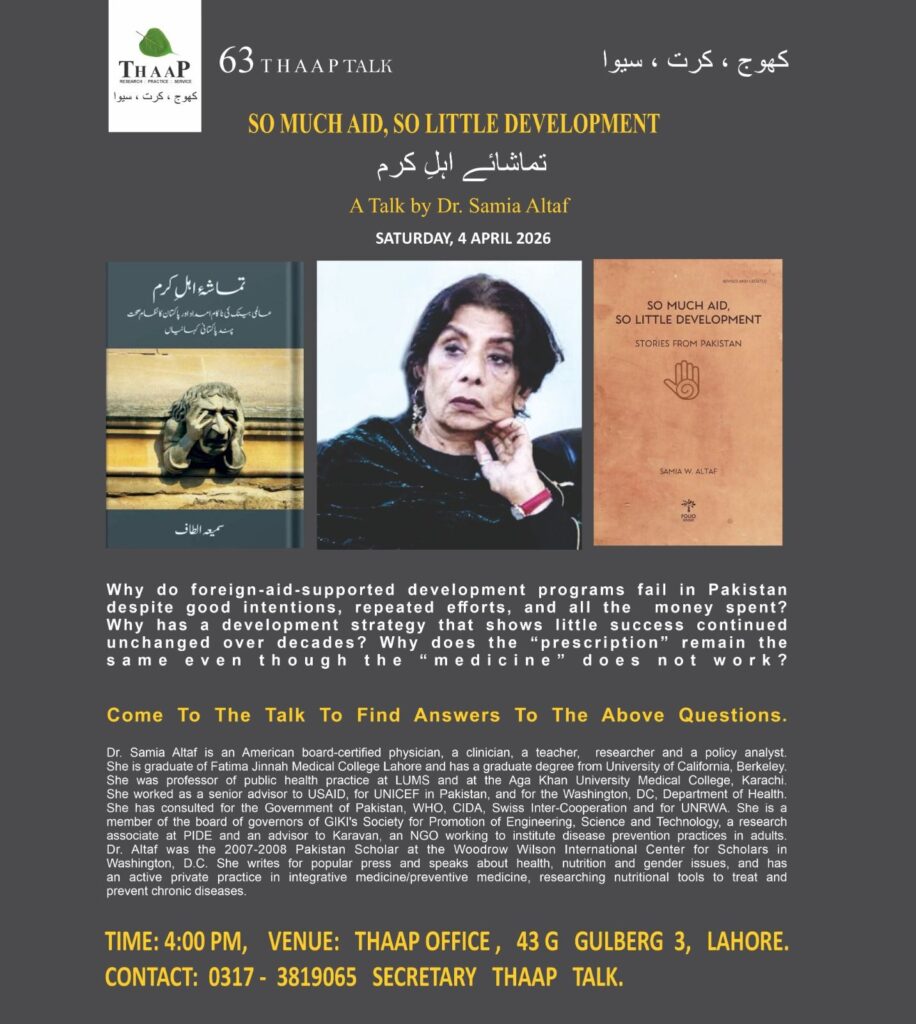






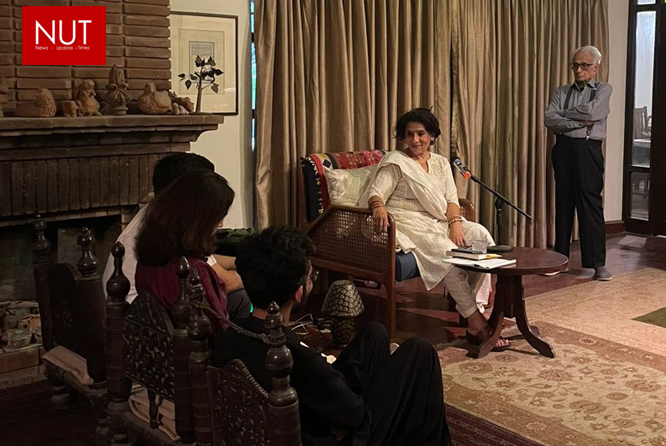
THAAP hosted a compelling talk by renowned development expert Dr. Samia Altaf, who critically examined why decades of foreign aid have failed to translate into meaningful and sustainable development in countries like Pakistan.
Drawing on her extensive experience with international aid agencies, Dr. Altaf argued that the issue lies not in the lack of funding, but in the flawed processes through which aid is designed, managed, and spent. She described foreign assistance as a “multi-headed beast,” controlled by a network of actors including donor governments, agencies such as USAID, consultants, NGOs, and multiple tiers of the recipient country’s administration.
She noted that these stakeholders often operate within their own interests, resulting in a system where funds are spent and targets appear to be met, but real development remains unachieved. Dr. Altaf emphasized that the two most important stakeholders the taxpayers in donor countries and the citizens of recipient nations remain largely unaware of how aid is utilized and why outcomes fall short.
Sharing insights from her book “Tamasha Ahl-e-Karam,” she presented case studies from projects she supervised, highlighting issues such as bureaucratic hurdles, mismanagement, corruption and the influence of self-serving consultants. She pointed out that an excessive focus on fund utilization and “burn rates” often overshadows actual impact.
Dr. Altaf further observed that many actors in the system fail to address root causes, instead prioritizing personal gains and privileges, which ultimately undermines public welfare. She also identified a lingering colonial mindset within local bureaucracies as a barrier to effective development.
Referring to sectors such as the Pakistan Nursing Council, Women Development Division, Population Welfare programs, and regional training institutes, she illustrated how systemic inefficiencies continue to limit progress.
During the interactive session, Dr. Altaf emphasized that Pakistan must learn from countries like China, South Korea, Malaysia etc which aligned foreign aid with their national priorities rather than external agendas.
In her concluding remarks, she asserted that foreign aid mechanisms often foster dependency rather than genuine development, underscoring the need for greater ownership, transparency, and locally driven strategies.
The session concluded with an engaging discussion, providing participants with critical insights into the structural challenges of the development framework.