






In Pakistan findings from 2020 show there were around 26
million people living with vision impairment. Yet an increase in
investment could generate US$ 709 million in economic benefits for the
country.
To mark World Sight Day on 8 October, international development
organisation Sightsavers organised a range of activities through its
eye health programmes. These include providing eye care services at
non-formal education schools in Islamabad, with a focus on vision and
hearing screening alongside general health assessments; community
awareness walks promoting eye health; eye screening services for
truckers in Lahore throughout October; and awareness sessions in
schools, where children were also invited to create their own “eye
creations.”
These activities come as global attention on eye health builds ahead
of the first Global Summit for Eye Health, which will be held in
November, hosted by the Government of Antigua and Barbuda, in
collaboration with the World Health Organization (WHO) and the
International Agency for the Prevention of Blindness (IAPB). It will
bring together global leaders to secure commitments that support
people with avoidable vision impairment including cataract and
refractive errors.
Ahead of the summit, Sightsavers calls on government, donors and
private and public sectors in Pakistan to scale up investment in
cataract surgery and glasses, and to equally invest in digital
accessibility for people with visual impairment. Good eye care enables
children to learn, adults to work and boosts productivity.
Improving eye care is a health imperative, but it is also an economic
opportunity. Research from IAPB, Seva Foundation and Fred Hollows
Foundation estimates that if Pakistan increases investment in eye care
by 2030, it could generate US$709 million in economic benefits2. IAPB
data also shows that early intervention in child vision impairment in
the country could increase a child’s lifetime earnings by 57%.
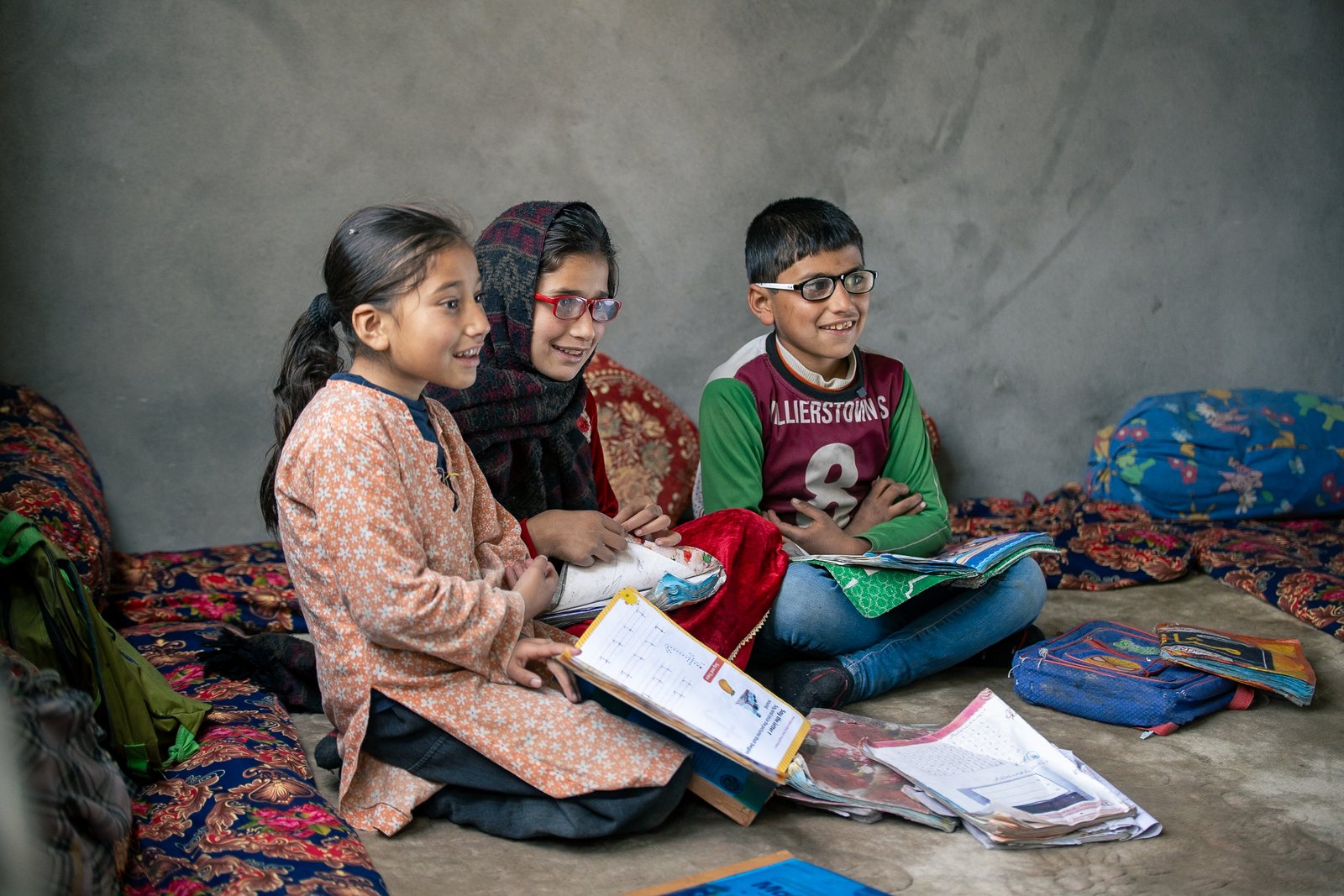
The impact of access to eye care is seen through the story of Zayn and
Saira, siblings from Gilgit. Both had uncorrected refractive error
which was diagnosed in Sightsavers’ school health integrated programme
when a teacher screened their eyes. The early diagnosis at school
helped them to get the spectacles they needed and therefore perform
better in studies and other activities.
Despite the proven benefits, eye care remains overlooked in many
health and development plans, particularly among the communities
disproportionally affected by vision issues. More than 85% of people
with vision impairment live in low and middle income countries4. Women
and girls also account for more than half of people living with visual
impairment.
Munazza Gillani, Director Pakistan and Middle East at Sightsavers,
says: “The solutions already exist. Glasses, cataract surgery and
stronger eye care systems can transform lives, yet too many people
still cannot access the support they need.
“The Global Summit for Eye Health is an opportunity for governments,
donors, private and public sectors to turn commitments into action so
more people can learn, work and participate fully in society. In
support of this, we commit to work with governments and partners to
strengthen health services, save and protect sight, and help more
people live full, independent lives. This will include supporting eye
health professionals, bringing services closer to communities, and
ensuring vision and eye care is part of health, education, livelihood
and road safety programmes.”
Sightsavers is already working with government and other partners in
Pakistan to provide inclusive and accessible eye care services.
Sightsavers’ call supports IAPB’s World Sight Day efforts to focus
global attention on the need for eye care that is accessible,
available and affordable for everyone. As a partner of the Global
Summit for Eye Health, Sightsavers is helping unite leaders on eye
care action.


